
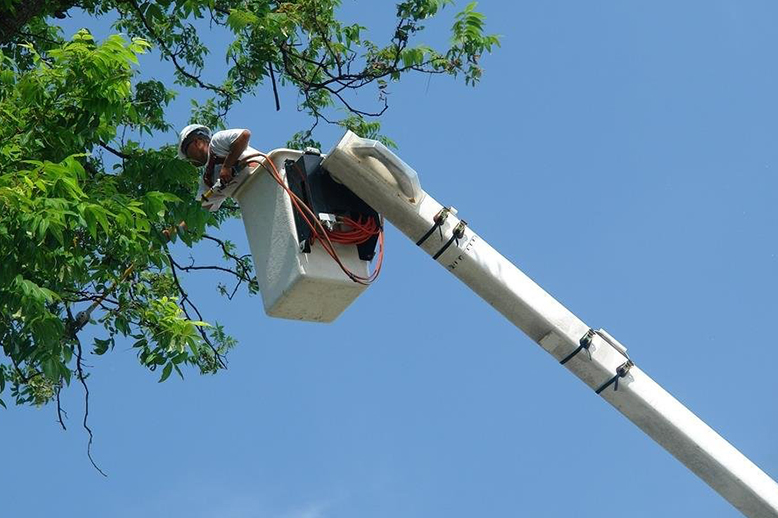
Before digging, dragging, or cutting, take a few minutes to inspect the property. Rushing, not seeing a branch, or falling into a hidden hole are the most dangerous. Repeat the front yard, driveway, side yard, backyard, gates, and sheds. Watch for lines, weak branches, and leaning trees. Check fence boards and posts for leaning or looseness. Search the ground for holes, slick spots, and roots. Take some pictures to review later. In strong winds or rain, the ground and limbs may be softer. The goal is to find and safely handle dangerous items.
Start With a Slow Walk Around Outside
Start with a “safety lap” before working. Not just busywork, it’s how you stay organized. Bring your phone, notepad, and bright marker, flag, or spray paint. While walking, write down anything that needs your attention and nearby attractions like a play area, driveway, or roof edge. Watch for people using steps, gates, sidewalks, and car parks. Block dangerous areas with cones, ropes, or trash cans immediately.
Quick things to check on your walk
- Hanging or cracked branches overhead
- Soft ground near tree roots or downspouts
- Loose pavers, broken steps, or uneven gravel
- Sharp debris like nails, broken glass, or wire
This short walk keeps you from starting in the wrong spot and helps you plan what tools and help you truly need.
Rank Risks First, Not What Looks Messy
A yard can look rough but still be mostly safe, while a tidy yard can hide one dangerous problem. The trick is to sort hazards by “what can hurt someone soon,” not “what annoys me the most.” For each item you find, ask two simple questions: How likely is it to cause harm? And how bad would it be if it did? A dead limb above a driveway scores higher than a twig pile near the back fence.
A simple three-level risk list
- High risk: could fall, roll, or collapse near people, cars, roofs, or power lines
- Medium risk: could trip, cut, or cause a sprain in a common walking area
- Low risk: mostly clutter, easy to remove, and away from traffic
Make a “keep out” zone
If you have a high-risk item, mark a drop zone and keep everyone away. This alone prevents the most common injury: being in the wrong place at the wrong time.
Cut Small Limbs Safely Without Taking Chances
Tree hazards are tricky because wood can be under tension. A limb that looks calm might twist or spring once cut. For small branches you can reach from the ground, a pole pruner is often safer than climbing or stretching. Stand to the side of the cut, not under it, and keep your feet clear of the landing area. For bigger branches, the goal is control: remove in smaller pieces rather than trying to “one and done” a heavy limb.
Use the three-cut method
This is a standard way to reduce bark tearing and sudden drops:
- Undercut a few inches out from the trunk (a shallow cut underneath).
- Top cut a bit farther out to drop the limb section.
- Final cut at the branch collar (the swollen area near the trunk).
If you see a limb resting on another limb, pinned against a roof, or bent like a bow, treat it as a tension hazard. Those jobs can shift fast and are often better left to trained crews.
Wear Simple Protective Gear Before You Begin
Most property cleanup injuries are avoidable: a thorn through a hand, sawdust in an eye, a slip on wet grass, or a loud tool ringing in your ears for hours. You don’t need fancy gear, but you do need the basics every time, even for “just five minutes.” Start with boots that grip well. Thin sneakers slide, especially on damp leaves and loose soil. Gloves help with splinters, sharp twigs, and metal scraps. Eye protection matters when trimming, blowing debris, or cutting wood.
Basic PPE you’ll actually use:
- Safety glasses (or a face shield for heavy cutting)
- Work gloves that fit snugly
- Long pants and sleeves for scrapes and insects
- Boots with ankle support
- Hearing protection for loud tools
Keep tools predictable
Use sharp blades and well-maintained tools. Dull tools make you push harder, and that’s when slips happen. Also, don’t work alone with power tools, and take breaks when you feel tired or rushed.
Fix Trips, Stumps, and Soft Ground Early
Ground hazards cause constant injuries because people don’t see them until it’s too late. A hidden hole under leaves, a root bump, or a loose paver can cause a fall in seconds. Start by clearing surface clutter so you can actually see where you’re walking. Then repair the worst spots first—especially near doors, walkways, driveways, and play areas.
Small subheading: Simple fixes that last longer
- Fill holes in thin layers and pack each layer down
- Flag soft spots so no one steps there by accident
- Reset loose pavers or add leveling sand where needed
- Deal with stumps using grinding or full removal instead of chopping
Stumps deserve respect. Roots can be harder than you expect, and buried rocks can throw tools or damage rented equipment. After stump work, refill the area and compact it so it doesn’t sink after the next rain. A smooth walking surface is one of the easiest ways to make a property safer fast.
Stay Clear of Lines, Water, and Gas
Some hazards don’t look scary, but the results can be serious. Power lines, buried cables, gas lines, and wet ground can turn a normal project into an emergency. Keep ladders, poles, and long branches far away from overhead lines. If a limb is touching a line, do not touch the limb, the tree, or anything nearby—back away and contact the utility company.
Before digging, get lines marked
If you plan to dig for posts, drainage, or planting, call your local locating service (often reached by dialing 811 in the U.S.). Wait for markings before you dig and follow the guidance they give.
Outdoor electricity basics
- Use GFCI outlets for outdoor tools
- Keep cords out of standing water
- Inspect cords for cuts before you plug in
Also, watch for water pooling near foundations or slopes. Wet soil can shift underfoot, and it can weaken roots and retaining areas over time. If the ground feels unstable, pause heavy work until you address drainage.
Clean Up Debris and Store Chemicals Right
Once the major hazards are handled, cleanup is where you prevent everyday accidents. Piles of sticks hide sharp objects. Loose debris on the steps becomes a slip hazard. And clutter makes it harder to see what you’re doing. Work in small passes and keep a clear walking lane back to your tools. Stack branches in one direction so you’re not stepping over jagged ends.
Safer cleanup habits
- Bag light debris so it doesn’t blow into the street
- Separate green waste from trash if your city requires it
- Use a rake or magnet tool for nails and wire—skip bare hands
- Keep fuel and yard chemicals sealed, labeled, and away from heat
Don’t ignore “quiet” hazards
Check for cracked steps, loose railings, rusted edging, and slick algae on shaded concrete. A stiff brush and mild cleaner can improve grip. These small fixes matter most in areas guests use, because they don’t know where the risky spots are.
Wrap Up With Simple Habits That Stick
Most hazards don’t appear out of nowhere. They build up when small issues get ignored. A quick monthly walk can catch problems early: a new dip in the yard, a loose step, or a branch that died back after a storm. Keep walkways clear, store tools in one spot, and fix small holes before they grow. After windy weather, scan for hanging limbs and stay out of risky areas until you’ve checked them. When a job feels uncertain—especially with trees—step back and get help. If you want a safer yard without the stress, contact Joe’s Tree Service & Landscaping Inc. and book your service visit today.